
About
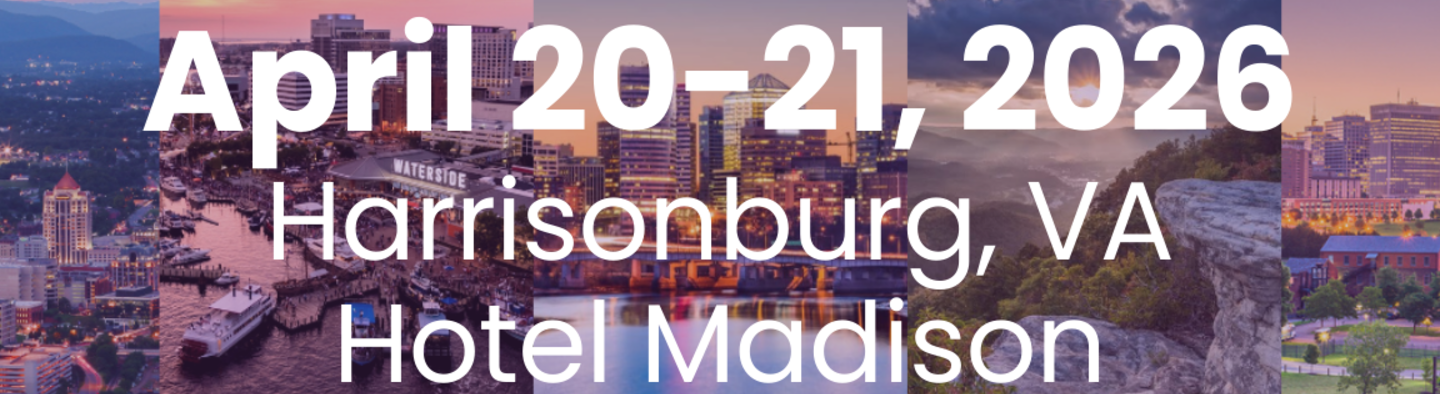
Welcome to the Virginia Workforce Symposium, where innovation, collaboration, and success meet. Held at the beautiful Hotel Madison in Harrisonburg, VA, this symposium brings together industry leaders, professionals, and experts in workforce development.
Join us on April 20 and 21, 2026, as we explore and discuss the latest trends, strategies, and best practices for preparing and empowering the workforce in the state of Virginia. This one-day event will feature keynote speeches from renowned speakers who will share their insights and experiences on topics such as workforce training, career advancement, and talent retention.
Attendees will have the opportunity to participate in a wide range of workshops, seminars, and panel discussions, providing a platform for learning, networking, and idea exchange. The Virginia Workforce Symposium is not just a conference; it's a community. We believe that by bringing together individuals from different backgrounds and industries, we can create a more dynamic and inclusive workforce in the state. With the support of our sponsors and partners, we strive to provide a diverse and enriching experience for all attendees, regardless of their role or position.
Whether you are a human resource professional, a business owner, a government representative, or simply someone interested in workforce development, the Virginia Workforce Symposium has something for you. Join us and help shape the future of Virginia's workforce. We look forward to welcoming you on April 20 and 21, 2026, for an unforgettable and impactful experience at the Virginia Workforce Symposium. See you there!
Hotel Reservations
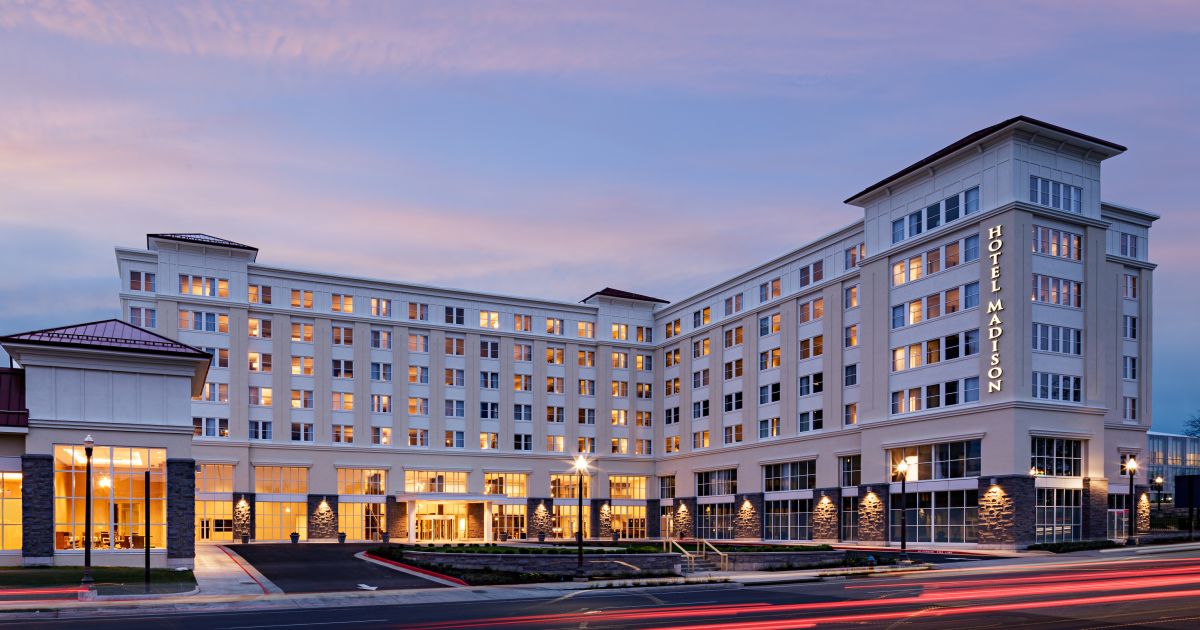
Our room block at the Hotel Madison has been exhausted, but please view the accommodations options at nearby hotels in Harrisonburg.
DoubleTree by Hilton Harrisonburg, 1400 E Market Street, Harrisonburg, VA
Spark by Hilton Harrisonburg University Area, 1131 Forest Hill Road, Harrisonburg, VA
Hampton Inn Harrisonburg - University, 85 University Blvd., Harrisonburg, VA
Home2 Suites by Hilton Harrisonburg University, 3000 Evelyn Byrd Ave., Harrisonburg, VA
Tru by Hilton Harrisonburg, 111 Pleasant Valley Road, Harrisonburg, VA
Event Agenda - 2 Days
20 Apr
Registration
Start your Symposium experience at the Registration Table, where you can check in, pick up your name badge and materials, and receive important event information. Our team will be available to answer questions, provide directions to breakout sessions, and help ensure you have everything you need for a smooth and engaging two days.
Welcome & Opening Remarks
Kick off the 2026 Virginia Workforce Symposium with an energizing welcome as we gather workforce leaders, practitioners, partners, and employers from across the Commonwealth. This opening session will set the tone for the event, provide an overview of the agenda and key themes for the day, and highlight how our collective work strengthens Virginia’s talent pipeline and economic future.
Attendees will hear remarks from the Virginia Workforce Association, along with important announcements, housekeeping details, and guidance to help you make the most of your Symposium experience. Whether you are joining us for networking, learning, or sharing best practices, this session ensures everyone starts aligned, informed, and ready for two impactful days together.
Keynote Speaker - The Honorable Jessica Looman, Virginia Secretary of Labor
We are honored to welcome Jessica K. Looman, the newly appointed Secretary of Labor for the Commonwealth of Virginia, as our 2026 Symposium keynote speaker. A seasoned attorney and public servant, Secretary Looman brings decades of leadership experience in labor policy, workforce development, and worker protection at the federal and state levels.
In her current role under Governor Abigail Spanberger, Secretary Looman leads statewide efforts to connect Virginians to skills, training, and opportunity, while advising on labor-related matters that strengthen the Commonwealth’s economy and workforce system. Her commitment to expanding economic security, strategic partnerships, and career pathways makes her a compelling voice for this year’s theme of workforce innovation and collaboration.
We look forward to Secretary Looman’s insights as she shares her vision for empowering Virginia’s workers and advancing equitable opportunity across the Commonwealth.
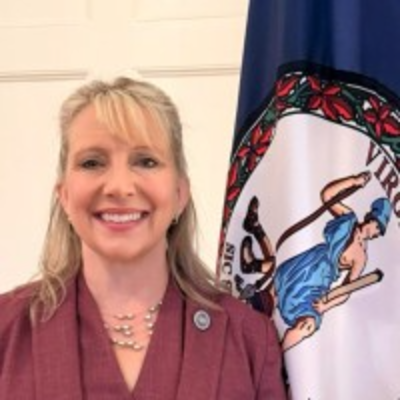
The Honorable Jessica Looman
Keynote Speaker - The Honorable Jessica Looman, Virginia Secretary of Labor
Break
Classroom to Credential to Company
The Radford University – Virginia Farm Bureau Experiential Learning Partnership is a scalable, employer-led workforce model that integrates academic credit, industry credentialing, and direct hiring pathways within a single semester. Launching Spring 2026, the program combines a corporate externship at Virginia Farm Bureau’s Richmond headquarters, preparation for the Virginia Property & Casualty Insurance Licensure (with all training and exam costs covered by the employer), and guaranteed interviews for paid internships and full-time positions across the Commonwealth.
Designed as a credit-bearing internship, practicum, or special topics course, the initiative aligns curriculum with real-time workforce demand in sales, insurance, entrepreneurship, and business development. Students gain exposure to company operations, complete an industry-recognized credential, and enter a structured hiring pipeline—all within eight weeks.
This partnership advances statewide priorities around work-based learning, credential attainment, and in-state talent retention. With a strong alumni footprint already at Virginia Farm Bureau, the model formalizes and expands an existing pipeline while reducing financial barriers to participation through employer-sponsored certification and transportation support.
The program is replicable across industries and colleges, serving as a proof-of-concept for scalable employer-integrated education that produces measurable workforce outcomes.
Learning Objectives
Industry Competency: Demonstrate foundational knowledge required to pass the Virginia Property & Casualty Licensure exam.
Workplace Application: Apply sales, communication, and business development principles in a real corporate environment.
Career Readiness: Develop professional interview, networking, and career-navigation skills aligned with high-demand Virginia occupations.

Stuart Mease
Classroom to Credential to Company

Morgan Brock
Classroom to Credential to Company
InternshipsVA in Action: How Small and Medium Employers Build Talent Pipelines
Small and midsize businesses (SMBs) make up the backbone of Virginia’s economy, yet they face persistent challenges in recruiting, developing, and retaining talent. Despite representing the vast majority of employers in most regions, SMBs often encounter the highest barriers to participating in internship programs. This session provides a practical, replicable model for helping SMBs engage meaningfully in work-based learning through the InternshipsVA framework.
Participants will explore the business case for SMB internship engagement, grounded in real employer examples that demonstrate how structured internship pathways lower recruitment costs, reduce turnover risk, and strengthen talent pipelines. The session also highlights how InternshipsVA removes friction for employers through matching grants, turnkey toolkits and guides, and accessible one-on-one staff support.
A hands-on interactive lab will allow attendees to apply lessons immediately. Workforce and higher education practitioners will use guided templates to either (A) build a business case for an SMB or (B) develop an SMB outreach and messaging strategy for their region. Each group will leave with a practical, ready to use action plan.
By the end of this session, participants will be able to:
- Explain the value proposition of internships for small and midsize businesses.
- Apply the InternshipsVA framework to support SMB engagement.
- Develop a customized, actionable plan to engage SMBs in their region.
Key Takeaways:
- A replicable framework for engaging SMBs in internships
- Tools to build an employer’s internal business case
- Strategies for reducing administrative and participation barriers
- Templates for outreach, messaging, and employer consultation

Amanda Panarese
InternshipsVA in Action: How Small and Medium Employers Build Talent Pipelines

Luke Waters
InternshipsVA in Action: How Small and Medium Employers Build Talent Pipelines
Talent Up Fairfax Fund: Leveraging Workforce Innovation for Economic and Community Development
This session will examine how Talent Up Fairfax served as a model for aligning workforce development with economic and community development priorities. At a time when regions faced persistent talent shortages and equity gaps, the initiative demonstrated how strategic workforce investments supported business growth while expanding economic mobility for residents. This model can be replicated in workforce regions throughout the Commonwealth.
Talent Up Fairfax is a work-based learning initiative launched by the Fairfax County Department of Economic Initiatives and administered by The SkillSource Group, Inc. to address workforce gaps in healthcare, information technology, finance, sales, and administration. Funded by a $2.45 million American Rescue Plan Act grant, the program connected unemployed and underemployed residents to paid internships, personalized coaching, and employer pathways to permanent employment. Since July 2023, the program attracted over 1,200 applicants, enrolled 387 participants, and placed 179 interns across more than 60 companies.
An independent ROI analysis found that the program supported 118 annual full-time equivalent jobs directly and 123 total jobs when secondary effects were included. Participant employment generated $7.2 million in regional labor income and $5.1 million in economic output through household spending. With nearly $2.1 million in costs and $7.2 million in benefits, the program achieved a 3.5 benefit-to-cost ratio.
Talent Up Fairfax promoted inclusive growth by reducing employment barriers and connecting diverse residents to career pathways. Partnerships with employers, chambers, and community organizations expanded access and strengthened trust. Participants gained replicable strategies for designing demand-driven workforce programs, building cross-sector partnerships, and measuring ROI to demonstrate economic and community impact.
In February 2026, the Talent Up Fairfax program was recognized as Virginia’s featured innovation in 50 States, 50 Breakthroughs. This new national showcase, a collaboration between Apolitical, the National Academy of Public Administration, and Human of Public Service, highlights one transformative public service project from every U.S. state, celebrating initiatives that drive economic growth and modernize government service. More information is online at https://apolitical.co/events/feb-2026-50-states-50-breakthroughs.

Rebecca Bennett
Talent Up Fairfax Fund: Leveraging Workforce Innovation for Economic and Community Development

Robert Mahon
Talent Up Fairfax Fund: Leveraging Workforce Innovation for Economic and Community Development
Building Pathways to Future Success
Effective talent pipeline development requires strategic partnerships and intentional programming that connects young people to meaningful career opportunities. Communities that successfully build and sustain these pipelines recognize that workforce development begins long before graduation, requiring collaboration among K-12 schools, workforce boards, employers, and community colleges.
Youth workforce innovations center on early career exposure models that introduce students to diverse career paths through work-based learning experiences. Internships, job shadowing, and paid training opportunities provide invaluable hands-on experience while helping students understand workplace expectations and professional norms. These experiences transform abstract career concepts into tangible possibilities, particularly for students from underrepresented backgrounds who may lack professional networks.
Career and technical education (CTE) programs play a pivotal role when aligned with regional market demand. By partnering with local employers, CTE programs ensure their curricula reflect current industry needs and emerging technologies. This alignment creates direct pathways from classroom learning to in-demand careers, making education immediately relevant and economically valuable.
College and career readiness strategies must address diverse student populations through culturally responsive approaches and differentiated support systems. Successful transitions from secondary education to postsecondary training, apprenticeships, or employment require comprehensive guidance services, financial literacy education, and clear articulation agreements between educational institutions.
Sustaining robust talent pipelines demands ongoing assessment and adaptation. Communities must regularly evaluate labor market trends, gather employer feedback, and adjust programming accordingly. When workforce boards, educators, and employers work collaboratively with shared metrics and accountability, they create resilient ecosystems that prepare students for meaningful careers while meeting regional economic needs.

Beth Lucchesi
Building Pathways to Future Success
Building Workforce-Ready Pathways: How Specialty Centers and Strategic Partnerships Strengthen CTE
Stafford County Public Schools has developed a comprehensive approach to strengthening Career and Technical Education by building specialty centers grounded in strategic partnerships and data-driven decision-making. This session will showcase collaboration with local and regional employers, the Fredericksburg Regional Chamber of Commerce, our Germanna Community College, the Stafford Regional Airport Authority, the Fredericksburg Regional Alliance, and educators to create meaningful pathways that prepare students for employment, enlistment, or enrollment.
Participants will learn how we leveraged multiple data sources—including regional and local job market trends, employer feedback, and student interests—to inform programming decisions. Presenters will share Stafford’s ongoing audit process for evaluating all CTE coursework to ensure alignment with current workforce needs and student demand, and discuss how this work positions us to meet Virginia's new 3E framework requirements.
Attendees will leave with a practical roadmap for auditing their own CTE offerings and building the cross-sector partnerships necessary to create specialty centers and career pathways that truly serve students and their communities. Whether you are just beginning to explore CTE transformation or looking to strengthen existing programs, this session offers actionable strategies for aligning education with workforce development.

Amy Nearman
Building Workforce-Ready Pathways: How Specialty Centers and Strategic Partnerships Strengthen CTE

Ferida Cralle
Building Workforce-Ready Pathways: How Specialty Centers and Strategic Partnerships Strengthen CTE
The Hidden Barriers No One Talks About: What Rural Jobseekers Are Really Facing in 2026
Rural jobseekers in Virginia face a complex mix of structural, economic, and personal barriers that rarely appear in workforce dashboards. In communities where up to one‑third of households lack reliable broadband and transportation options are limited or nonexistent, individuals are navigating challenges long before they enter a classroom, training program, or workforce center. Yet behind every statistic is a lived experience—a young person studying for a credential exam while managing trauma, a returning citizen rebuilding stability without transportation, or a parent choosing between childcare and attending class.
This session blends regional data, real‑world case examples, and frontline experience to illuminate the hidden factors shaping rural labor participation in 2026. Participants will explore how trauma, past educational harm, digital inequity, and credentialing deserts directly influence engagement, retention, and employment outcomes. The session will also highlight practical, scalable solutions, including trauma‑informed workforce practices, micro‑credential pathways, and accessible on‑site testing options that accelerate readiness and reduce barriers for rural Virginians.
By the end of the session, participants will be able to identify at least five under‑recognized barriers affecting rural jobseekers; explain how trauma‑informed approaches improve learning and retention; understand the role of micro‑credentials and testing access in strengthening talent pipelines; and apply practical strategies to enhance employer partnerships in rural regions.
Key takeaways include: recognizing hidden structural and emotional barriers, understanding the impact of digital inequity, implementing low‑cost engagement strategies, leveraging micro‑credentials to accelerate employment, and adopting human‑centered approaches that better support jobseekers with complex needs.

Andrea Randle
The Hidden Barriers No One Talks About: What Rural Jobseekers Are Really Facing in 2026
Building and Sustaining High-Impact Industry Sector Partnerships
Building effective industry sector partnerships requires more than simply bringing employers to the table—it requires strategy, trust, and sustained engagement. The Anne Arundel County Local Workforce Development Board has emerged as a leader in demand-driven sector work by creating an Industry Collaborative model that puts businesses at the center of workforce solutions.
This session will walk through how we build and sustain industry collaboratives from the ground up. We begin small, often with a no-commitment roundtable designed to spark conversation and surface shared workforce challenges. From there, we identify and empower a “champion”—an industry leader who is deeply invested and willing to engage peers. This champion becomes a powerful driver of business-to-business engagement, helping expand participation and credibility.
Participants will learn how we structure collaboratives, maintain employer engagement, and move from dialogue to action. We will also highlight the range of projects that collaboratives can undertake beyond just training and discuss how these initiatives are funded and sustained.
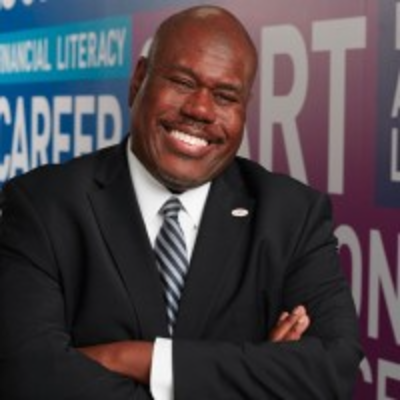
Kirkland Murray
Building and Sustaining High-Impact Industry Sector Partnerships
Break
Help Your Students Find the Career Path That's Right For Them!
Preparing students for financial success after high school requires equipping them with clear, unbiased information about education and employment pathways. This session provides educators with practical tools and current labor market insights to guide students through critical career planning decisions.
The session will begin with an economic overview of local labor market trends, examining Virginia's unemployment rate in regional and national context and identifying high-demand career pathways in the area. Participants will gain valuable insights into which occupations are growing and what skills employers are seeking.
The presentation will then focus on two powerful Federal Reserve System tools designed for classroom use: Invest in What's Next and the Occupational Mobility Explorer.
Invest in What's Next is a free online course that guides students through a comprehensive career planning process. Students identify pathways aligned with their interests, learn about lifestyle costs, research careers, and explore schools and funding options. Each student develops an individualized plan that helps teachers meet personal finance curriculum standards and Blueprint for Maryland's Future requirements.
The Occupational Mobility Explorer complements this by helping students visualize career journeys. This tool maps overlapping skill sets between occupations, showing students how they might transition from one job to another over time.
Session Objectives:
Provide an economic update on local labor market trends
Showcase the Richmond Fed's Invest in What's Next tool and other Federal Reserve System resources
Familiarize teachers with the Federal Reserve Education website and demonstrate how to leverage these resources in the classroom

Kevin Woodcox
Help Your Students Find the Career Path That's Right For Them!
It Takes a Village Labor School
Knowledge, Empowerment, and Community are important for the next generation to learn and understand.
Not everyone is meant for college, but even if you are it is important to understand how workers come together to protect their rights, improve their working conditions, and make sure their voices are heard. We hope our program will play a big role in this, and through this program, we hope to help students and future workers become leaders, advocates, and well-informed members of society. Students will learn topics like labor/civil rights history, laws about jobs and workplaces, public speaking, organizing campaigns, social justice, and negotiation skills. We hope to help them build confidence, leadership, and community—everything they need to make a difference, no matter what career they choose.
Western VA Labor Federation will be doing a labor school for area high school junior and seniors. Our plan is to teach these students labor history, civil rights -how it relates to labor – and Virginia’s role in these. We are also planning on introducing these students to various trade apprenticeship programs. We have commitments from IBEW, UA, Teamsters as well as the Longshoremen with more to come.
We will have our pilot during Roanoke City’s Spring break March 30 through April 3 at the Villages at Lincoln in Roanoke. During the summer, the plan is to offer the program to the students associated with the Roanoke City Housing Authority during the summer with 5 sessions of 2 weeks each.
See more info at: https://va-aflcio.org/westernva/it-takes-village-labor-school
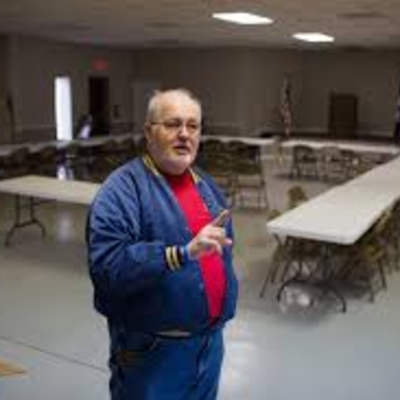
Chuck Simpson
It Takes a Village Labor School
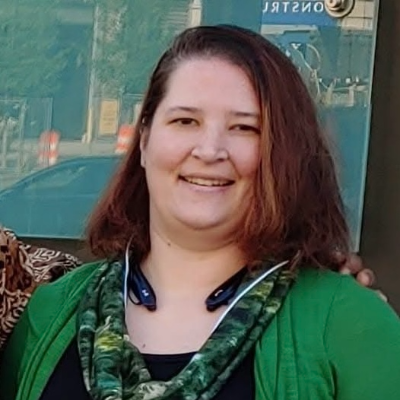
Kristy Lee Vance
It Takes a Village Labor School
Never Write Another Resume: How skills-based hiring is transforming recruitment in the age of AI.
As AI has revolutionized recruitment, skills-based career assessments have replaced words (interviews) and paper (resumes/degrees) as the gold-standard for recruitment. Employers embrace the efficiency with which AI agents pre-screen, evaluate, and interview candidates. Job-seekers lean into LLM’s that synthesize decades of experience into a precise resume.
In the midst of AI’s seismic disruption to recruitment, workforce development professionals must ask ourselves: How can we use the most reliable skills-based tools to create value for businesses?
Session Objectives:
This breakout session will use an interactive, audience-participation format to summarize research on the emergence of skills-based hiring. The presenters will share 2026 survey results from Virginia hiring managers in Area XIII and Area VI regarding recruitment trends. Finally, the presenters will share a practical model of skills-based hiring that connects businesses with top (and unexpected) talent. Rappahannock Goodwill’s creation of the “CareerPath Accelerator” uses skills tryouts, AI insights, and real-time labor market information to provide job-seekers the inside track to the fastest growing careers in their communities. A scalable solution, the CareerPath Accelerator increases speed and efficiency in the hiring process and gives hiring managers actionable skills profiles of each candidate in their pipeline.
Session Takeaways:
• Attendees will learn business trends around skills-based hiring and their effects on workforce development.
• Attendees will see a live demonstration of a practical, AI-powered, skills assessment tool in action.
• Attendees will take away access to a free career assessment platform they can use in their regions.

Marty Bywaters-Baldwin
Never Write Another Resume: How skills-based hiring is transforming recruitment in the age of AI

Sara Drebes
Never Write Another Resume: How skills-based hiring is transforming recruitment in the age of AI
From Classroom to Career: Building a Replicable Industry Insight Model That Connects Schools, Employers, and Workforce Partners
Roanoke County Economic Development, in partnership with Roanoke County Public Schools, the Greater Roanoke Workforce Development Board, and regional employers, implemented the Industry Insight Tour Series in 2024 to strengthen alignment between classroom instruction and regional workforce demand through structured, employer-hosted site visits. Since its launch, the Industry Insight series has facilitated 13 tours engaging more than 250 educators, students, employers, and workforce partners across high-demand sectors. The Industry Insight Tours were recognized in 2025 with an International Economic Development Council (IEDC) award for workforce innovation in Talent Development and Retention.
Each tour is intentionally designed to engage educators and students together in the same workplace experience. Educators gain direct exposure to credential pathways, technical skills, and employer expectations - equipping them with accurate, localized industry insight that can inform classroom context and advising. Students simultaneously gain firsthand awareness of career pathways, internship opportunities, apprenticeships, and work-based learning connections at a formative decision-making stage.
The program is data-informed and continuously refined through structured surveys and participant feedback, ensuring responsiveness to both employer and school needs.
This session will outline the structure, implementation lessons, and coordination strategies behind the model. Participants will leave with a practical, replicable framework for organizing structured industry engagement experiences that strengthen alignment with schools, employer alignment, and workforce partners to support regional talent pipeline development.

Lindsay Webb, MPA
From Classroom to Career: Building a Replicable Industry Insight Model That Connects Schools, Employers, and Workforce Partners

Toni McLawhorn
From Classroom to Career: Building a Replicable Industry Insight Model That Connects Schools, Employers, and Workforce Partners

Jason Suhr
From Classroom to Career: Building a Replicable Industry Insight Model That Connects Schools, Employers, and Workforce Partners

Kenna Smith
From Classroom to Career: Building a Replicable Industry Insight Model That Connects Schools, Employers, and Workforce Partners
From Training to Trust: Using On-the-Job Learning and Consumer Feedback to Strengthen Rural Workforce Outcomes
Small rural employers often struggle to participate in traditional workforce programs, not because they lack need, but because training feels disconnected from daily operations and outcomes are hard to measure. This session presents a practical, employer-centered model developed by the Virginia Wine Coalition that links skills training, on-the-job application, and consumer-based feedback into a continuous learning loop.
Participants will explore how targeted Front-of-House (FoH) training equips employees with immediately usable skills, while a structured Secret Shopper program provides real-world assessment of learning through customer experience data. Rather than relying on tests or credentials alone, this approach uses consumer interactions as evidence of competency, offering a scalable assessment framework for small businesses across hospitality, tourism, retail, and service sectors.
The session emphasizes lessons learned from engaging rural employers, building trust around evaluation, and translating customer feedback into workforce insights, demonstrating how training and assessment can be embedded directly into day-to-day work.
The Model: Training → Application → Assessment → Improvement
Application in Real Work Settings
• Employees apply training during live customer interactions
• Learning happens in place, not removed from operations
• Employers see immediate relevance and value
Consumer-Oriented Feedback as Assessment
• Secret Shopper visits function as:
o A non-punitive assessment tool
o A proxy for measuring skill adoption and consistency
• Feedback focuses on observable behaviors tied to training objectives
• Data is aggregated to protect trust and encourage participation
Continuous Improvement Loop
• Insights inform:
o Training refinements
o Employer coaching priorities
o Future workforce investments
• Employers see assessment as supportive, not regulatory
Key Workforce Challenges Addressed:
• Engaging small, rural employers
• Measuring learning without formal testing
• Improving retention through confidence and clarity
• Aligning training with real business outcomes

Matthew Brown
From Training to Trust: Using On-the-Job Learning and Consumer Feedback to Strengthen Rural Workforce Outcomes
Virginia Workforce Connection (VaWC) WIOA Title I 101 for Staff
The Virginia Workforce Connection is the system of record and reporting for WIOA Title I programs. This session will be a general discussion around current system configuration and function, as well as some future enhancements. This session will cover aspects of data collection, information impacting WIOA program performance and using the existing VaWC reports to identify issues and trends. We will also cover many navigation functions and shortcuts available to staff. This session should appeal to any staff using the VaWC.

Brian Long
Virginia Workforce Connection (VaWC) WIOA Title I 101 for Staff
Employer Engagement: Strategies That Meet Talent Needs Through Registered Apprenticeship
Employers across the U.S. face persistent challenges in training and retaining skilled workers to develop sustainable talent pipelines. This session explores how intentional employer engagement can directly address talent needs and strengthen industry ecosystems through effective Registered Apprenticeship solutions.
Participants will explore how industry intermediaries can help employers build, expand and sustain apprenticeship programs that meet their talent needs, and establish long-term connections with workforce, education and industry partners. Learn practical strategies for engaging employers and leveraging industry intermediary expertise to launch flexible registered apprenticeship training models, and access technical assistance on program registration, program design, recruitment and long-term support.
Learn how workforce, education, and industry partners can work together on solutions that strengthen talent pipelines, help identify scalable apprenticeship models, and align curricula with the right education partners. Hear how intermediaries help streamline the registration process, reduce administrative burdens, and reduce participation barriers for employers. Through our intermediary approach, MSG has supported dozens of sponsors, from small employers to national associations, in designing, registering, and launching successful apprenticeship programs.
Explore how Registered Apprenticeship can serve as a scalable solution for meeting employer talent needs—whether the goal is filling critical vacancies, improving retention, or creating advancement pathways for incumbent workers. The session examines how sector partnerships and industry-led collaboratives can accelerate apprenticeship program development and offer solutions to current and future workforce demands.
Participants will leave with strategies for effective employer engagement and accessing expertise in designing apprenticeship solutions that offer flexible training models to support long-term talent development.

Chad Aleshire
Employer Engagement: Strategies That Meet Talent Needs Through Registered Apprenticeship
Evening Reception

Location
Hotel Madison & Shenandoah Valley Conference Center
Venue
Hotel Madison & Shenandoah Valley Conference Center
Harrisonburg, Virginia, 22801, United States
Address
710 S Main St Ste 149, Harrisonburg, VA 22801, USA
Speakers
The Honorable Jessica Looman
Virginia Secretary of Labor
Rebecca Bennett
Vice President, Center Operations and Special Initiatives
Robert Mahon
Business Engagement Manager
Andrea Randle
Founder/CEO
Amanda Panarese
Regional Internship Manager
Luke Waters
Regional Internship Manager
Amy Nearman
Assistant Director of Curricular Innovation and College Partnerships
Ferida Cralle
Coordinator of CTE Curriculum and Workforce Development
Beth Lucchesi
Community Recruiting Specialist

Blair Davis
ECCE Workforce Manager

Meredith Locascio
Vice President of School Readiness
Brian Long
Coordinator of IT Integration
Chad Aleshire
Senior Workforce and Apprenticeship Lead
Chuck Simpson
President

Danielle Gilbert
Chief HR Executive

Daryl Clemons
Director of Programs

Emily Hall
WBL Coordinator

Nia Hodge
WBL Support Specialist

Sue Venable-Shelton
Director of CTE and Adult Education

Gary Skeen
Associate Director

Jackie Kanupp
Business Development Manager

Lauren Bacon Smith
Chief People Officer

Jason Ferguson
Chief Workforce Officer/AVP

Kathleen Glenn-Matthews
Deputy Executive Director

Kaystyle Madden
Business Services Director

Chris Hurley
Area Manager
Kevin Woodcox
Community Development Regional Manager
Kirkland Murray
Local Workforce Director

Brandon Butler
Executive Director

Krishawn Monroe
Assistant Director

Monica Smith-Callahan
Deputy County Manager for Community Affairs

Lauren Holubec
Executive Director
Lindsay Webb, MPA
Assistant Director of Business Retention & Operations
Jason Suhr
Director of Career and Technical Education
Toni McLawhorn
Business and Development Manager

Malora Horn
Program Coordinator

Dr. Patricia Popp
EHCY State Coordinator

Marilyn Milio
Senior Director, Workforce Programs and Training
Marty Bywaters-Baldwin
Chief Mission Officer
Sara Drebes
Director of Workforce Services
Matthew Brown
Director

Melinda Dart
Adult ELA Support Specialist/Assistant Coordinator

Melissa Zervos
Workforce Development & Adult Education Technical Assistance Specialist

Regina Cook
Administrative Officer for Training Solutions
Sandra Zacarias
WIOA Adult/DW Program Supervisor

Kellan Graves
Employer Engagement Supervisor

Sheila Jones
Job Developer

Eliza Chappell
Job Developer
Stuart Mease
Founder

Carla James-Jackson
Senior Director of Academic and Student Services, Roanoke Higher Education Center
Morgan Brock
Director of Talent Acquisition & Compensation

Wendy Kang
Executive Director, VOEE

Won Kim
Chief Data Officer, Virginia Works

Anya Upadhyaya
Research and Data Analyst, VOEE

Joyce Jackson
ELA Support Specialist/Adult ELA Coordinator, Chesterfield County Public Schools
Kristy Lee Vance
Treasurer, Western Virginia Labor Federation

Will Lopez
Co Founder & President, BuildWithin
Kenna Smith
Joy Johnson
Jennifer Mammi
Sponsors
Platinum
|
|
|

Silver
 |
 |
 |
Kickoff Sponsor
 |
Bronze
 |
 |
 |
 |
 |
 |
 |
Evening Entertainment
 |